
The Allure of Ambiance
The ambiance of a casino plays a critical role in attracting and retaining customers. By utilizing a combination of lighting, color schemes, and sound effects, casinos create an immersive environment that engages players on multiple sensory levels. Warm colors such as red and gold are commonly used to evoke feelings of excitement and luxury, while soft lighting helps in relaxing guests, encouraging them to stay longer. Additionally, players often enjoy the thrill of playing online pokies in this carefully curated environment, amplifying their overall experience and often leading visitors to forget about time and their prior obligations. The use of ambient music and strategic soundscapes adds another layer to this sensory experience, making it easy for players to lose track of time as they get caught up in the atmosphere.
Additionally, the sound design within casinos subtly manipulates the psychology of players. For example, the distinct sounds of slot machines winning create a positive feedback loop, reinforcing the idea that luck is on the player’s side. This auditory stimulation, paired with the visual spectacle of flashing lights and vibrant displays, enhances players’ emotional states and encourages them to keep playing. The strategic use of silence is also important; moments of quiet can heighten the anticipation of a big win, drawing players deeper into the gaming experience. By fostering an enchanting sensory environment, casino designs subconsciously push visitors to engage more deeply with the gaming options available.
The layout of a casino is equally essential to its ambiance. Designers often arrange games in a way that invites exploration and social interaction. Card tables and slot machines are typically clustered together, creating a dynamic social atmosphere where players can engage with each other. This arrangement reduces the likelihood of players feeling isolated, promoting a sense of community that can lead to longer play times and more substantial expenditure. The physical space encourages mingling and communication, which can further enhance the overall enjoyment of the gaming experience. As players interact, they share tips, strategies, and experiences, which can lead to a deeper emotional investment in the activities at hand.
Flow and Navigation Strategies
Casinos are often designed with a labyrinthine layout, intentionally constructed to enhance the gaming experience by promoting flow and navigation. The strategic placement of games, bars, and restaurants creates a meandering path that leads visitors through the venue. This design cleverly encourages exploration, as players feel compelled to investigate what’s around the corner, potentially discovering new games or entertainment options that capture their interest. With each turn, there is a sense of curiosity and anticipation, keeping players engaged in the environment.
This flow is not merely a matter of chance; it is a calculated design choice. Casino architects understand that the more time players spend wandering the floor, the more likely they are to gamble. By incorporating visually appealing focal points such as dazzling displays and vibrant signage, casinos can guide players through their space while subtly influencing their decision-making. This navigation strategy plays into the psychological concept known as the “Endowment Effect,” where individuals perceive more value in things they have spent more time with, making them more inclined to pour their money into the games they have explored. The design prioritizes engagement over straightforward navigation, creating an experience that feels both spontaneous and deliberate.
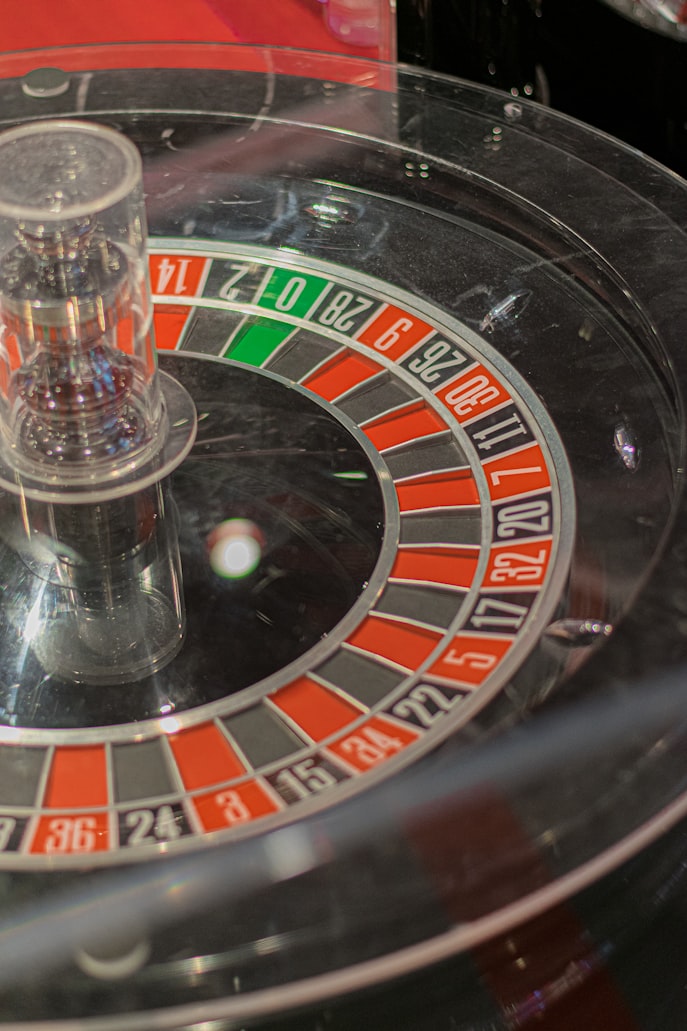
Moreover, the use of non-linear pathways can heighten the excitement of exploration, creating an overall sense of discovery. Unlike traditional retail spaces that often have straight aisles and clearly defined ends, casinos opt for winding corridors and varying elevations. This contributes to the illusion of endless opportunity, as visitors are constantly presented with new experiences. The design fosters an environment where players feel that something exciting is always just out of reach, motivating them to continue exploring while reinforcing the illusion of luck and chance. Ultimately, this not only promotes excitement but also enhances the overall gaming experience by keeping players engaged and eager for the next opportunity.
The Psychology of Reward Systems
Reward systems in casinos are intricately designed to maximize player engagement through psychological principles. Casinos employ various incentives such as bonuses, loyalty programs, and free play offers, which can create powerful motivators for customers to return. The anticipation of potential rewards taps into the brain’s reward pathway, triggering feelings of excitement and pleasure. This system of intermittent rewards, similar to that found in slot machines, leads to a continuous cycle of play, as players chase the next big win. The unpredictability of rewards is key; just as a player may hit a jackpot, they are also encouraged to keep playing in hopes of a similar outcome, creating a thrilling gambling experience.
Furthermore, the use of comp points and tiered loyalty schemes adds an extra layer of psychological engagement. Players earn points for every dollar spent, which they can later redeem for perks, such as complimentary meals or even luxurious hotel stays. This reinforces a sense of loyalty and belonging, as players become invested in maintaining their status and accruing more rewards. The psychological principle of commitment plays a role here; once players invest their time and money into the casino system, they are more likely to continue participating to justify their choices. This emotional connection can lead to habitual visits and increased spending, thus benefiting the casino.
The role of visual and auditory feedback is crucial in this context as well. When players experience “wins” through bonus rounds or free spins, they receive immediate gratification, reinforcing their decision to continue playing. The brain releases dopamine, making the experience pleasurable and encouraging players to gamble more. This cycle of anticipation, reward, and reinforcement is fundamental to the casino design, turning every visit into a compelling psychological experience that keeps players returning for more. The design of these reward systems is not just about creating fun; it is about embedding a deep-rooted psychological strategy that taps into human behavior and urges players to engage over and over again.
Social Influence and Community Building
Social dynamics play a significant role in casino psychology, impacting how players engage with the environment and each other. The design of communal spaces, such as lounges and bars, fosters social interaction among players, heightening the overall experience. When individuals are surrounded by others enjoying their time, they are more likely to join in on the fun, driven by social proof—an influence that suggests if others are having a good time, they should too. This communal aspect not only enhances enjoyment but also creates a sense of belonging among players, making them more inclined to return.
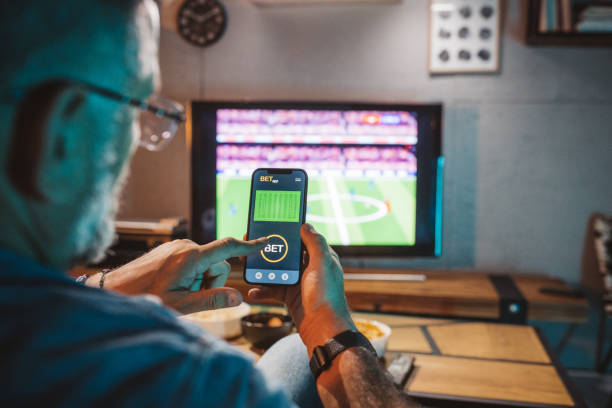
This community aspect is also supported by group gaming experiences like multiplayer poker and bingo, which promote camaraderie and shared excitement. Casinos often leverage these social opportunities to create themed events or tournaments, encouraging players to gather, compete, and socialize. Such activities not only increase the time spent in the casino but also create lasting memories and bonds among participants, enhancing their loyalty to the venue. The shared experiences foster a collective narrative that players can reminisce about, thus deepening their emotional connection to the casino.
Moreover, the presence of visible staff members engaging with customers, such as dealers and waitstaff, further reinforces a welcoming atmosphere. The interaction between players and staff creates an environment where customers feel valued and recognized, fostering positive relationships. This kind of engagement enhances the overall experience, making players feel more inclined to return, knowing they will receive personal attention and service every time they visit. The human element in casino design is crucial; it cultivates an environment where players feel appreciated, making their gambling experience more enjoyable and rewarding.
Exploring Online Casino Experiences
The evolution of technology has led to the rise of online casinos, which replicate many of the psychological principles of traditional casino designs. While physical interaction is less prominent, digital platforms prioritize user experience through intuitive navigation, enticing visuals, and engaging sound effects. These elements work in tandem to recreate the excitement of a brick-and-mortar casino, alluring players into the virtual environment. The digital realm is designed to captivate users from the moment they log in, leveraging vibrant graphics and immersive themes that mirror the sensory experiences of physical casinos.
Online casinos strategically employ gamification elements that mirror real-world experiences, integrating rewards, leaderboards, and challenges that engage players on multiple levels. By offering bonuses for daily logins or achieving game milestones, players are motivated to return regularly, driven by the same psychological rewards that traditional casinos facilitate. The sense of community is cultivated through chat features and social gaming options, connecting players and enhancing their online gambling experience. This virtual interaction can mimic the social dynamics present in physical casinos, allowing players to share their experiences and strategies in a communal setting.
Furthermore, personalization in online casinos has become increasingly important. By utilizing data analytics, these platforms can tailor game recommendations and promotional offers based on individual player behavior, enhancing engagement. This customized approach ensures that players feel a unique connection to the platform, similar to that which players find in physical casinos. The seamless integration of tailored content not only enriches the user experience but also reinforces player loyalty, making them more likely to return. As a result, the psychological principles behind casino designs extend seamlessly into the online realm, maintaining player interest and driving repeated visits.
