
The Concept of Luck in Gambling
Luck is a term that often evokes fascination among casino enthusiasts and casual players alike. It represents the unpredictable element of gambling that can lead to both incredible wins and devastating losses. In a casino setting, luck is perceived as an external force that can dramatically alter a player’s experiences. This allure of chance is what entices individuals to try their hand at various games, from slot machines to card tables, in hopes of striking it rich, especially at a fast withdrawal casino uk real money where the stakes feel even higher. However, while luck plays a significant role, there is a complex interplay between chance, skill, and the inherent design of casino games that players must understand.
The nature of luck in gambling can be particularly pronounced in games that rely heavily on chance, such as roulette or slots. In these scenarios, players often feel that their fortunes hinge on a few lucky spins or rolls. For instance, a player might sit at a slot machine for hours, only to hit the jackpot on a single spin. This moment of euphoria reinforces the belief that luck is a key driver of their success. Nevertheless, it’s crucial to recognize that casinos are structured to maintain a house edge, meaning that over time, the odds will always favor the establishment regardless of individual streaks of good fortune.
Cultural perceptions of luck also significantly influence how players engage with gambling. Some individuals might carry tokens, wear specific clothing, or perform rituals to attract luck, showcasing how deeply ingrained these beliefs can be. Others may take a more analytical approach, using data and strategies to guide their gameplay. This dichotomy in beliefs illustrates the diverse psychological responses to luck in gambling, highlighting that while luck can seem influential, it is often entangled with personal beliefs and behaviors, complicating the true nature of winning at casinos.
The Role of Randomness in Casino Games
Randomness is a fundamental principle that underpins all casino games, serving as a crucial element in the experience of gambling. Each game is designed to produce unpredictable outcomes, which heightens the thrill of the play. For example, in blackjack, while players can employ strategies based on probability, the randomness of card shuffling means that even the most skilled player can find themselves at the mercy of chance. A single unfortunate deal can shift the dynamics of the game, illustrating that luck can play a role even in skill-based games.
Slot machines epitomize the essence of randomness, employing Random Number Generators (RNGs) to determine the results of each spin. This technology ensures that every outcome is entirely independent of previous spins, reinforcing the idea that past performance does not influence future results. Many players might believe that choosing a machine that seems to be “hot” will yield better results, but in reality, each spin is a new opportunity governed by random chance. This understanding is vital for players who wish to approach gambling with a realistic mindset about their potential for winning.
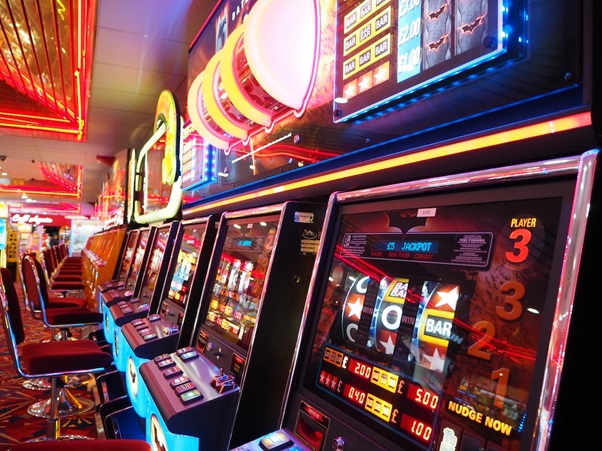
Moreover, the randomness of casino games levels the playing field for all participants, regardless of their experience or skill level. New players often enter the gaming floor with the same chance of hitting a big payout as seasoned veterans. This unpredictability adds to the excitement, as anyone can experience a lucky break at any moment. However, maintaining a realistic perspective about the role of luck and randomness can help players manage their expectations and enjoy the gaming experience without falling into the trap of unrealistic hopes for consistent winnings.
Psychological Factors Influencing Perception of Luck
The psychology of gambling plays a significant role in shaping how individuals perceive luck and its influence on their gaming outcomes. Players often attribute their wins to personal luck while dismissing losses as mere misfortune, a cognitive bias known as the “gambler’s fallacy.” This tendency can lead players to engage in superstitious behaviors, such as wearing lucky charms or following specific rituals, in hopes of influencing their luck. These habits reflect the deep emotional connections that players form with the idea of luck and how it impacts their gambling experiences.
The social environment of a casino can further complicate perceptions of luck. When players witness someone else winning, it can create a sense of shared excitement that influences their belief in their potential for success. The contagious energy of a nearby jackpot win can lead individuals to feel that luck is prevalent, encouraging them to keep playing in pursuit of a similar outcome. However, this social aspect can obscure the reality of the odds involved, leading to unrealistic expectations about the future influence of luck on their own gameplay.
Understanding these psychological factors is essential for maintaining responsible gambling habits. Players who chase losses or believe they can control outcomes through sheer will often find themselves in precarious financial situations. Recognizing the impact of cognitive biases and the social dynamics of gambling can empower individuals to approach their gaming experiences with a more balanced view of luck. By acknowledging that luck is only one aspect of the gambling experience, players can foster a healthier relationship with their gaming habits.
Strategies for Responsible Gambling Amidst Luck
While the allure of luck can be enticing, developing a strategic approach to gambling is essential for ensuring a responsible and enjoyable experience. One of the fundamental strategies is to set clear limits on spending and establish a budget before entering a casino. By treating gambling as a form of entertainment rather than a means to generate income, players can prevent the emotional rollercoaster that often accompanies luck-driven games. This proactive approach mitigates the potential for financial distress and encourages a more relaxed attitude towards the outcomes.

Engaging in games that blend skill and luck can also enhance the gambling experience. For instance, poker allows players to employ strategies based on their understanding of the game, while still embracing the inherent uncertainty of the cards dealt. By honing their skills through practice, players can take greater control over their results while still acknowledging that luck plays a significant role. This balanced view fosters a more mature approach to gambling, recognizing that while luck can influence outcomes, it is not the sole determinant of success.
Moreover, maintaining awareness of one’s motivations for gambling is crucial in developing a healthy relationship with luck. Players who view gambling primarily as a fun social activity are less likely to fall into the trap of chasing losses or relying excessively on luck for success. By distinguishing between entertainment and addiction, individuals can cultivate a more mindful approach to gambling, ensuring that luck remains an exciting yet manageable component of their gaming experiences. This awareness is vital for safeguarding against the potential pitfalls of gambling while still enjoying the thrill it offers.
Exploring Resources for Gamblers
For those seeking to enhance their gambling experiences with knowledge and responsibility, various resources are available both online and at physical casinos. Many establishments offer educational materials on game strategies, responsible gambling practices, and the mathematical principles behind the odds, empowering players to make informed decisions. By understanding the mechanics and probabilities of casino games, players can better prepare themselves for the unpredictable nature of luck and its role in their overall gaming experiences.
Numerous organizations also focus on promoting responsible gambling and provide resources to help individuals recognize the psychological aspects of gambling. These organizations often conduct workshops, support groups, and distribute informative literature to guide players through the complexities of luck and chance. Utilizing these resources equips players with the tools necessary to approach gambling with a grounded perspective, fostering a healthier relationship with their gaming habits and the role of luck in their experiences.
Ultimately, grasping that luck is just one factor within the broader landscape of gambling allows players to engage with casinos more thoughtfully. Whether individuals view luck as a guiding force or a mere coincidence, being informed and responsible can lead to a more rewarding experience. With the right mindset and access to resources, players can enjoy the thrill of the casino world while maintaining control over their gaming choices, enabling them to navigate the intricate balance between luck and strategy.
